
Link Community Development Concludes Two-Year Project In Neno
TA Symon is among areas in Neno District prone to prolonged dry spells that often affect food production.
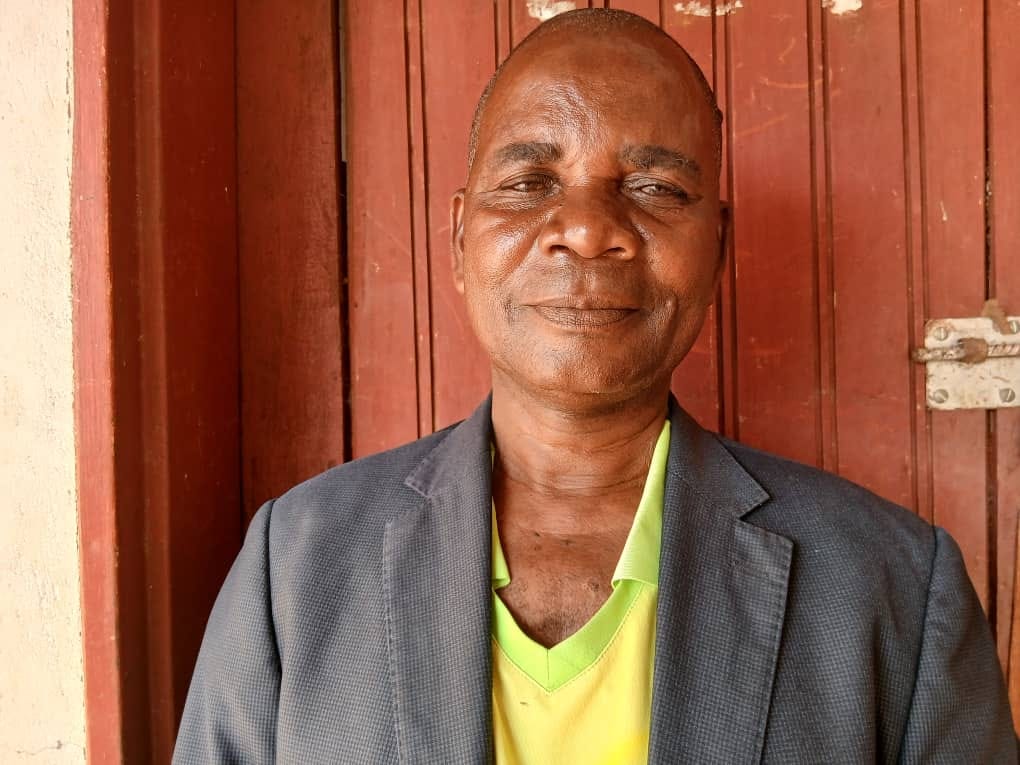
Neno, Malawi— Link Community Development Malawi has concluded a two-year project in Traditional Authority (TA) Symon in Neno District, handing over skills and knowledge aimed at helping communities sustain their livelihoods, writes Alinafe Kamphika, MANA.
Link Community Development Project Manager Clement Mwazambumba said the project focused on six thematic areas: disaster risk management, livelihood security, and Water, Sanitation and Hygiene (WASH), among others.
Presenting at a District Executive Committee meeting, Mwazambumba said the organisation distributed irrigation pumps across TA Symon, enabling communities to run irrigation schemes, provided 600 pass-on goats to 120 households, repaired damaged boreholes, and constructed resilient classroom blocks and teachers’ houses to replace those destroyed by strong winds.
TA Symon commended Link Community Development for the interventions, saying they had significantly improved livelihoods in his area.
“Through the Agriculture Development Committee, we will continue going into the communities where Link has been operating to ensure that people sustain what has been introduced, such as irrigation farming and the goat pass-on programme,” he said.
He said the initiatives would help ensure food security and improve household incomes through income-generating activities.
Agricultural Extension Development Coordinator Mark Tandaude also praised the organisation for complementing government efforts in promoting climate-smart agriculture.
“Through Link Community Development, we trained 42 lead farmers and several para-veterinarians, received nine irrigation pumps and provided five goats each to 120 households,” Tandaude said.
He said irrigation farming and the goat pass-on system would allow communities to continue benefiting as long as the assets are properly managed.
One beneficiary, Dyson Solomon of Chifide Irrigation Scheme in Ngayaye Village, said the project had transformed his household’s food security.
“We are 50 members in our scheme, growing maize, eggplants, pepper, okra and tomatoes. Food is no longer a problem because I harvest enough to feed my family,” Solomon said.
He added that income from the produce has enabled him to pay school fees for his children and meet other household needs.
TA Symon is among areas in Neno District prone to prolonged dry spells that often affect food production.