
STEPA Model Farm Showcases Path to Climate-Resilient Agriculture and Landscape Restoration
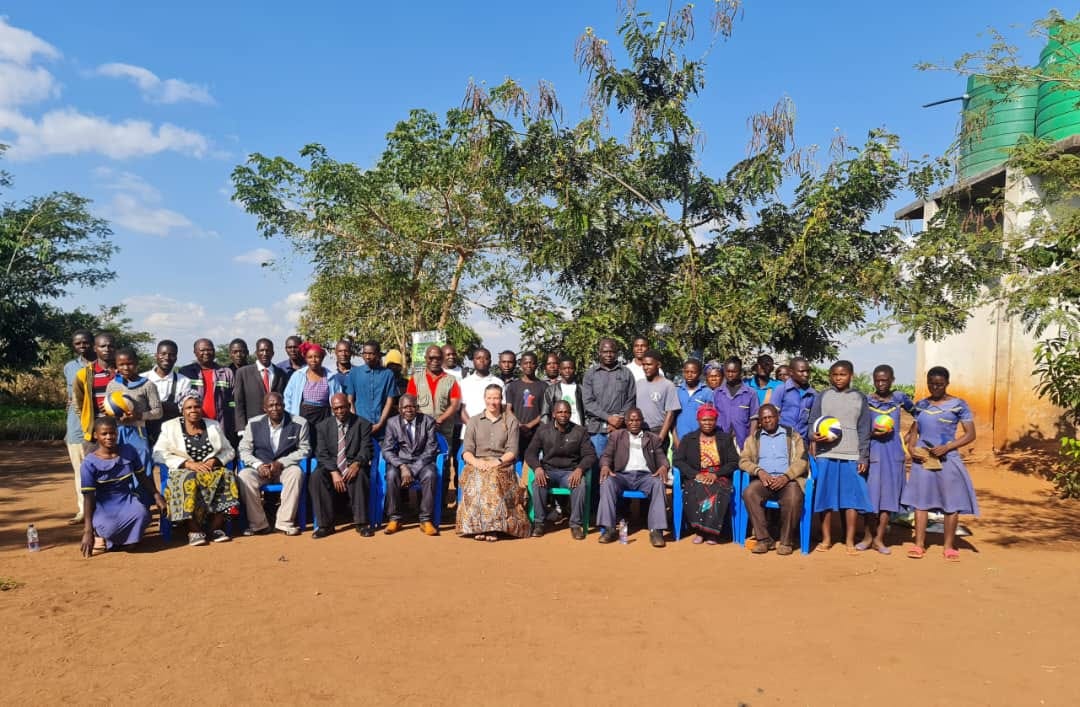
LILONGWE, Malawi — A 15-hectare demonstration farm in Lilongwe is emerging as a model for sustainable agriculture, landscape restoration and climate-resilient rural development, offering practical solutions to communities grappling with environmental degradation and climate change, writes Steria Manda.
The STEPA Model Farm, located in Group Village Headman Chiputu under Traditional Authority Kachule, is being implemented by the Centre for Applied Systems Analysis (CASA) to demonstrate how farmers can restore degraded landscapes while improving agricultural productivity and livelihoods.
The farm showcases agroforestry systems, soil and water conservation technologies, climate-smart farming methods, ecosystem restoration approaches and other sustainable land management practices that can be replicated across Malawi.
Speaking during a field tour of the site on Thursday, CASA Chief Executive Officer Dr. Steve Makungwa described the farm as a living classroom that equips communities with practical skills for sustainable land use.
“This model farm is like a classroom. It showcases agroforestry systems, soil and water conservation technologies, climate-smart farming methods and ecosystem restoration that can be adopted by everyone,” he said.
Makungwa said the initiative demonstrates how agricultural production, environmental restoration and community development can work together to address land degradation, declining soil fertility and the growing impacts of climate change.
“The establishment of the STEPA Model Farm shows that successful landscape restoration depends not only on planting trees and rehabilitating land, but also on empowering people with the knowledge, skills and opportunities needed to sustain those efforts for generations to come,” he said.
According to Makungwa, the farm incorporates a variety of restoration interventions, including agroforestry, fruit production, beekeeping, soil and water conservation measures and sustainable land management practices.
“These interventions will enhance productivity while restoring ecosystem functions,” he said.
Traditional Authority Kachule described the project as a timely intervention for communities facing environmental degradation and increasingly unpredictable weather conditions.
“This model farm came at a time when my communities were being hit hard by challenges associated with environmental degradation such as soil erosion, but they adopted the initiatives from the model farm and their lives have improved now,” he said.
He said local communities are benefiting from the knowledge, technologies, tree seedlings and opportunities generated by the project and pledged to continue encouraging residents to adopt the farm’s practices.
The model farm is also providing learning opportunities for nearby schools.
Deputy Headteacher Friday Joseph of Kachule Primary School said the site offers learners valuable practical exposure to environmental conservation and sustainable agriculture.
He said the farm complements classroom instruction by allowing students to observe how science-based approaches can help solve real-world environmental and agricultural challenges.
Coordinator for the Special Programme for Development of Capacities at the International Union of Forest Research Organizations (IUFRO), Janice Burns, said the project reflects the organization’s commitment to strengthening local capacity and supporting community-led restoration efforts.
“Demonstration sites like the STEPA Model Farm play a crucial role in translating scientific knowledge into practical solutions that communities can adopt and scale up,” she said.
Burns said IUFRO will continue providing financial and technical support to the initiative while encouraging broader stakeholder participation in environmental restoration.
“By bringing together farmers, schools, local leaders, development partners and restoration practitioners, the initiative is laying the foundation for healthier ecosystems, improved livelihoods and a more sustainable future,” she said.
The STEPA Model Farm is being implemented by CASA with financial support from the Foundation Audemars-Watkins through IUFRO under the project, “Upscaling Forest Landscape Restoration Through Field-Based Capacity Development in Malawi.”