
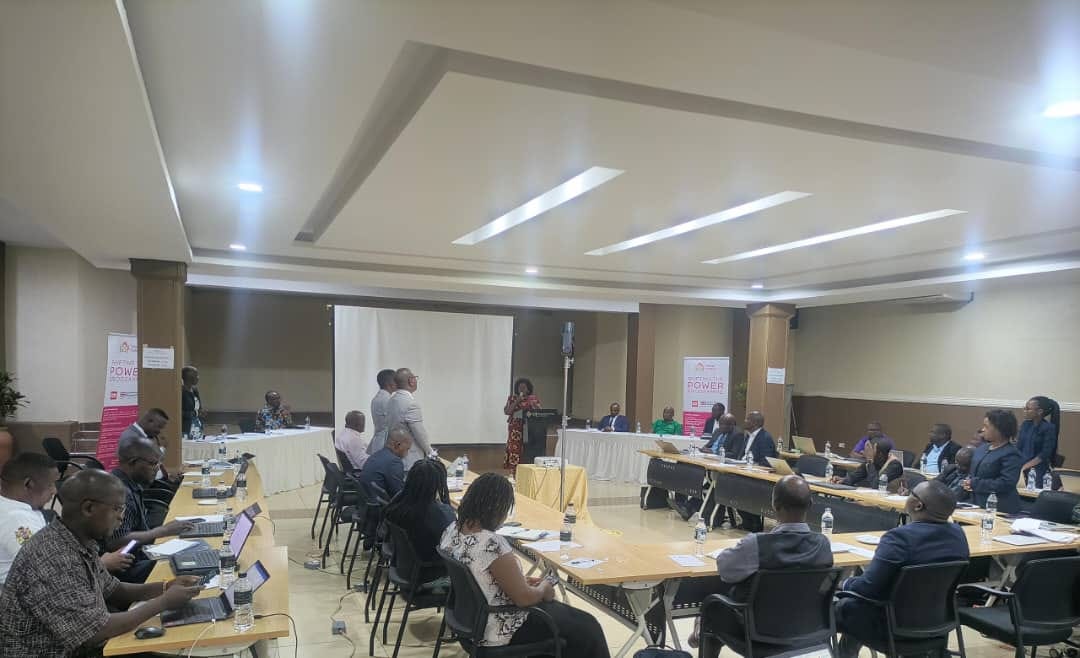
LILONGWE, Malawi — More than 50 local non-governmental organizations gathered Thursday for a workshop to review Malawi's NGO policy as part of a government initiative to update regulations that expired last year, writes Esther Banda.
The consultation at Crossroads Hotel, funded by Tilitonse Foundation under its "Shifting the Power Program," aims to incorporate local perspectives into the 2025-2030 NGO policy framework.
"When they are part of the process, they will own the process and take part of the implementation of the policy itself," said Dr. Nertha Semphere Mgala, Principal Secretary for the Ministry of Gender, Community Development and Social Welfare.
"We don't want a situation whereby they look at the policy as external or something strange to them."
The ministry has included new priority areas in the draft policy including technology, digitalization and innovation to help NGOs adapt to changing conditions.
Maynard Nyirenda, an executive member of the Local NGO Forum, emphasized the importance of local input, noting that "the environment that NGOs operate has changed a lot as donors are pulling out."
Robert White, Chief Executive Director for Tilitonse Foundation, urged organizations to focus on domestic resource mobilization.
"I believe that in this particular policy, we should make provisions that should recognize the local resources because all along we have been recognizing the money that is coming from outside the country," White said.
"Now we need to wake up and realize that, as local NGOs, social enterprise is the way to mobilize resources."
According to Malawi's Non-Governmental Organization Regulatory Authority, the country has 941 registered NGOs, with local organizations comprising 78 percent of the total.
The policy review aligns with the MW2063 national development agenda.